Breathing Health Brief Editorial Team
July 28, 2026 · 5 min read
A New Lung Health Interview Reveals Why So Many Americans Still Struggle to Breathe — Even After Years of Using Inhalers
And the simple at-home method one person with COPD says helped him breathe more easily again — without oxygen equipment or a complicated daily routine
According to the presentation below, the real problem may not be limited to damaged lungs.
The interview describes a little-known process involving tiny “blood-lung exchange valves” that may become blocked, keeping the body stuck in a cycle that can make each breath feel harder.
That may help explain why inhalers can offer temporary relief for a few hours, while the underlying breathing issue continues.
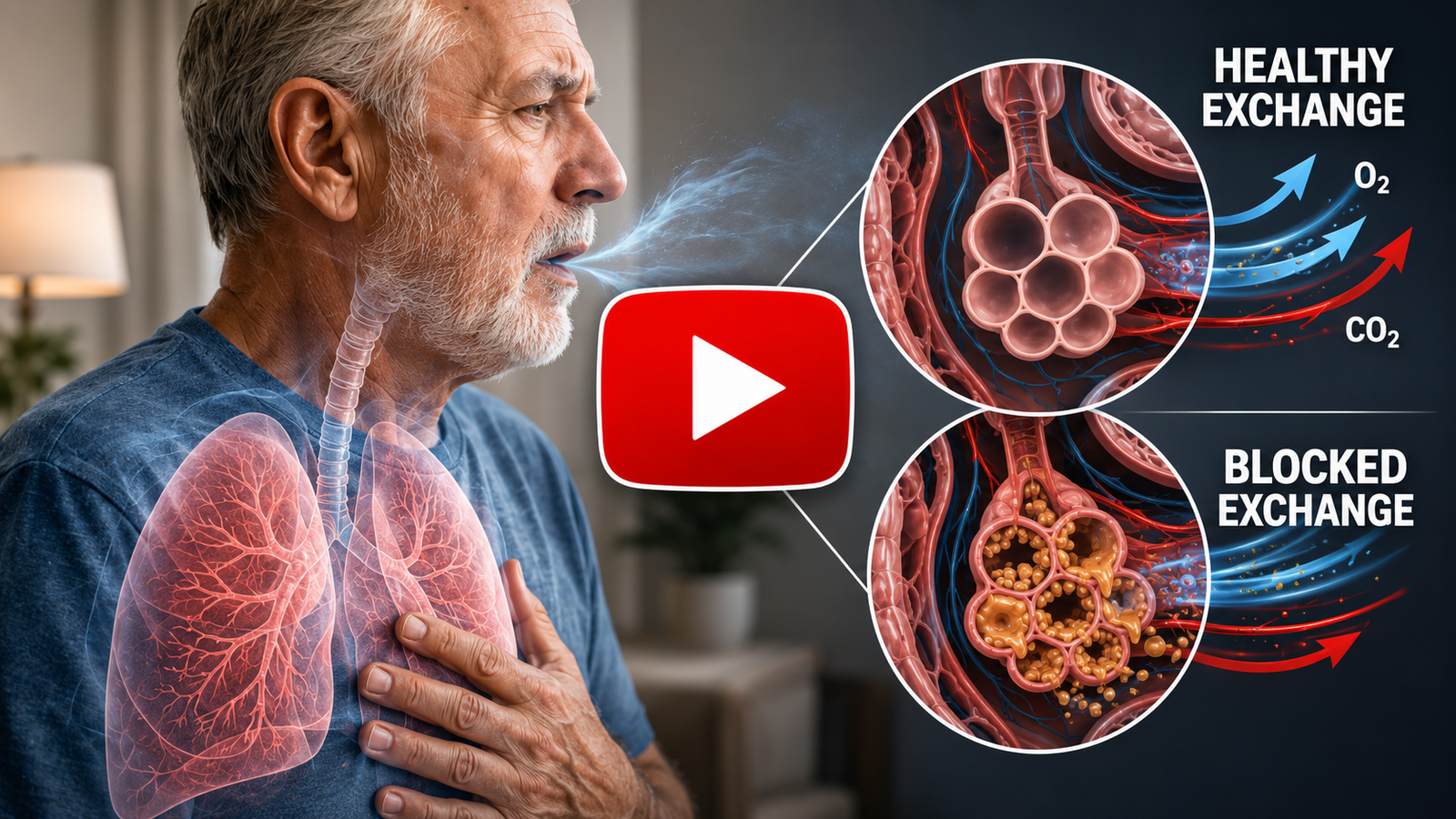
When Breathing Starts Controlling Your Routine
A person may notice the walk from the car to the front door feels longer than it used to. Stairs may require a pause, conversations may leave them winded, or lying down at night may make every breath feel more noticeable.
Most people start with the familiar options first: inhalers, breathing exercises, rest, avoiding overexertion, or planning the day around the moments when breathing feels a little easier.
Those steps can matter, but recurring coughing, wheezing, or shortness of breath can still leave one important question unanswered: why does everyday activity keep feeling so difficult?
The interview also features a person with COPD who says he found a simple at-home approach after conventional options fell short — the kind of straightforward method the presentation says can be started without prescriptions, special equipment, or extra doctor visits.
The goal is not to ignore breathing difficulty. It is to understand what may be keeping everyday activity so demanding even when relief helps for a while.
Natural Support Begins With a Different Question
The presentation does not ask you to stop prescribed care, abandon an inhaler, or ignore the guidance of your healthcare professional.
Instead, it examines why breathing support can feel helpful in the moment while walking, sleeping, or climbing stairs may still remain difficult later.
It is designed for adults researching COPD breathing support, chronic coughing, wheezing, or recurring shortness of breath who want a clearer explanation before trying another option.
The desired outcome is practical: more confidence during ordinary movement, calmer nights, and less fear that every small activity will leave you searching for your next breath.
Before You Try Another Breathing Solution, Watch This First
If you have already tried to manage the symptoms and daily limitations keep returning, the next step should not be another blind guess.
This short presentation explains why temporary relief and long-term breathing support are not always the same thing.
It introduces a less familiar explanation involving how the lungs and circulation work together during normal oxygen exchange—without asking you to follow a complicated medical lecture.
You can review the reasoning in plain language, compare it with your current experience, and decide whether the approach is worth discussing with a qualified healthcare professional.
What Makes This Approach Different
Most breathing advice begins after coughing, wheezing, or shortness of breath has already appeared.
This presentation begins with a different question: why can relief fade while the same limitations continue to return during walking, stairs, sleep, or other ordinary situations?
It then explores a natural support concept intended to work alongside—not replace—appropriate medical care and everyday respiratory management.
The purpose is to help you understand the proposed approach before you see any offer, so the next step is based on context rather than urgency or guesswork.
The difference is not a promise to replace medical care. It is a different way to think about why relief can feel temporary.
When breathing becomes difficult, it is easy to slowly reorganize life around the limitation: avoiding stairs, shortening walks, sleeping upright, declining invitations, or staying close to a place where you can rest.
Over time, those adjustments can make the loss of independence feel normal, even when they are affecting work, family time, sleep, and confidence.
If breathing difficulty is sudden, severe, or worsening, seek prompt medical care. For ongoing concerns, this presentation can help you understand the support approach before making any decision.
The immediate goal is clarity: understand what the video proposes, how it differs from temporary symptom management, and whether it belongs in a conversation with your healthcare professional.
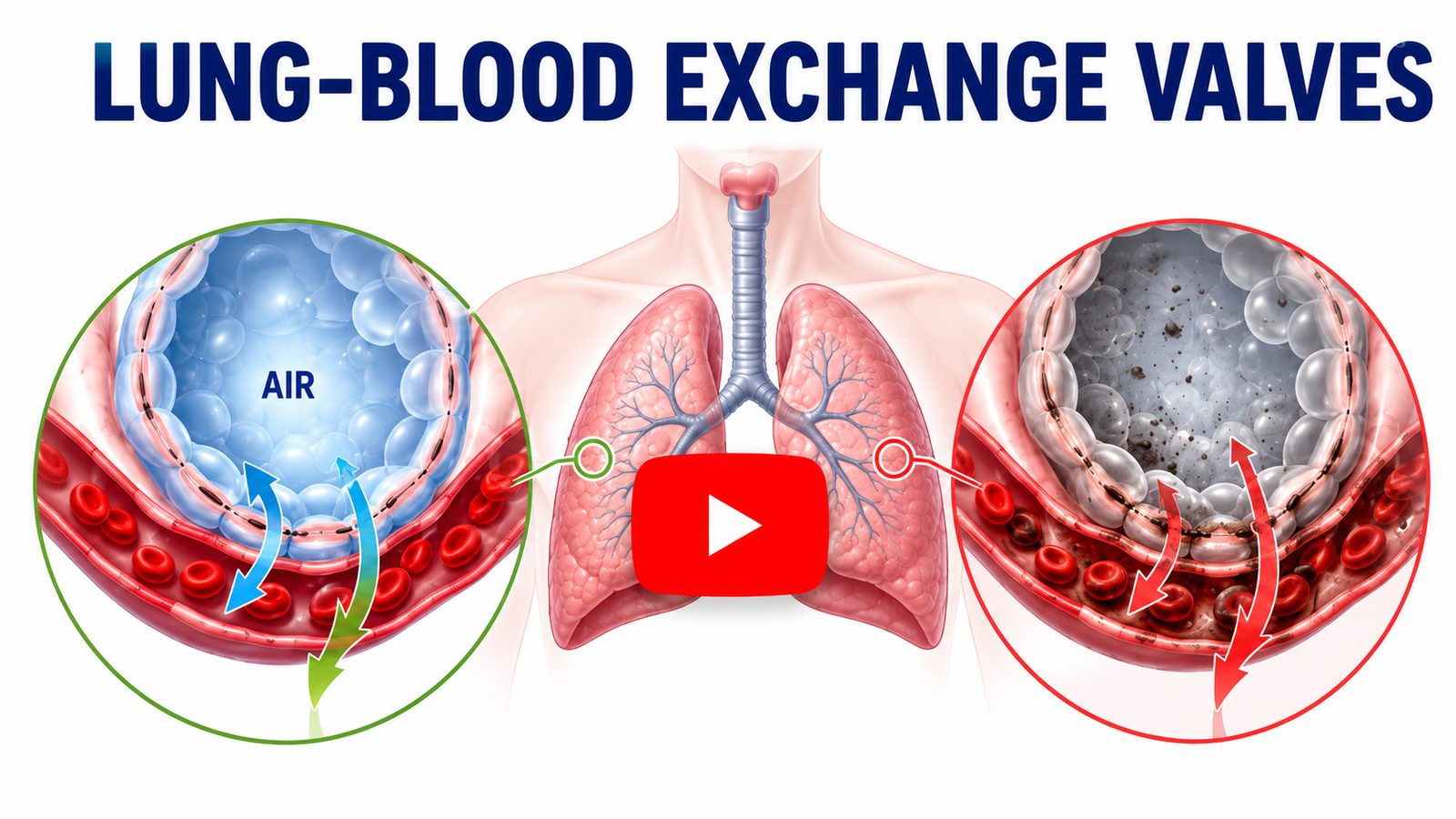
Inside the Short Presentation
The video is structured to move from the problem to the proposed explanation.
First, it shows how recurring shortness of breath can affect sleep, walking, work, and independence.
Then, it explains why common relief may help temporarily without answering every question about recurring limitations.
Next, it introduces a different natural support concept connected to normal lung and circulation processes.
Finally, it explains the proposed at-home approach, its ingredients, and the offer presented in the video.
If you are researching COPD breathing support, this presentation gives you the context before asking you to consider the next step.
What This Presentation Explores
Three questions addressed before the offer is introduced
The video compares immediate symptom management with the broader question of why breathing limitations may continue to return during everyday activity.
It connects breathing difficulty with the loss of independence that can happen when ordinary routines begin requiring more planning, rest, or avoidance.
It presents a natural support concept in plain language so viewers can understand the reasoning, limitations, and next step before deciding whether to continue.
Is this a replacement for inhalers or prescribed care?
No. The presentation is educational and should not replace medical care, prescribed medication, inhalers, oxygen therapy, or guidance from a qualified healthcare professional.
Is this for people living with COPD-related breathing difficulty?
It is intended for adults researching COPD breathing support, recurring shortness of breath, wheezing, coughing, or difficulty with everyday activity who want to understand a different support approach.
Why can breathing relief feel temporary?
Some approaches are designed to help manage symptoms in the moment. The presentation explores a different explanation for why breathing may still feel difficult during walking, stairs, quiet nights, or other everyday situations.
Does the presentation require complicated equipment?
The video discusses a simple at-home support approach and explains the idea in plain language. It does not guarantee a specific result.
Can this guarantee easier breathing or reverse COPD?
No. Results vary, and no informational presentation can guarantee a medical outcome or reversal of COPD. Speak with a qualified healthcare professional about symptoms and treatment decisions.
Ready to Understand Why Relief May Feel Temporary?
If breathing difficulty keeps returning, do not choose the next option without first understanding the explanation behind it.
Watch the short presentation now and review the different natural breathing support approach for yourself.
Explore the Breathing Support Approach
Educational presentation - no commitment required